Highlighting Kent’s hidden homelessness crisis
There’s a hidden homelessness crisis in Kent – and we can’t even see it.
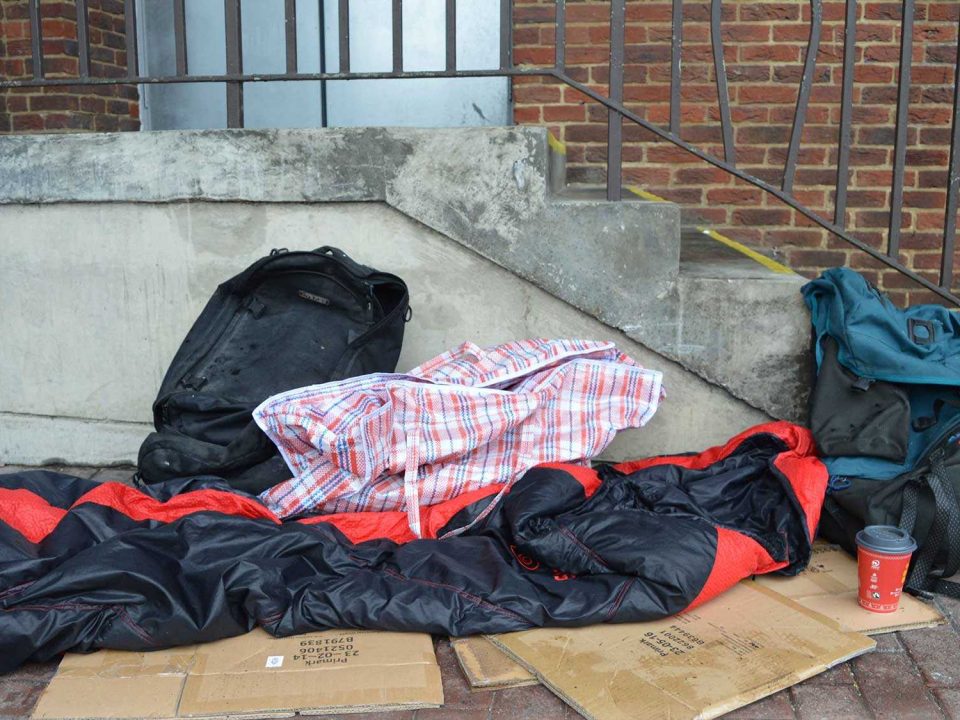
Officially, there are 229 people* sleeping rough across the county. But in reality, that’s just the tip of the iceberg as we know many more people are homeless but hidden away. They’re living out of cars, sleeping in public toilets, or sofa surfing with friends or even strangers.
They are in urgent need of support but it’s difficult to reach them. Their hidden homelessness
isn’t being talked about enough. More than 200,000 families and individuals are believed to be experiencing hidden homelessness in Britain.**
It’s impossible to know exactly how many people are living this way in Kent. They’ve probably been missed in official street counts that the government use to calculate the scale of homelessness.
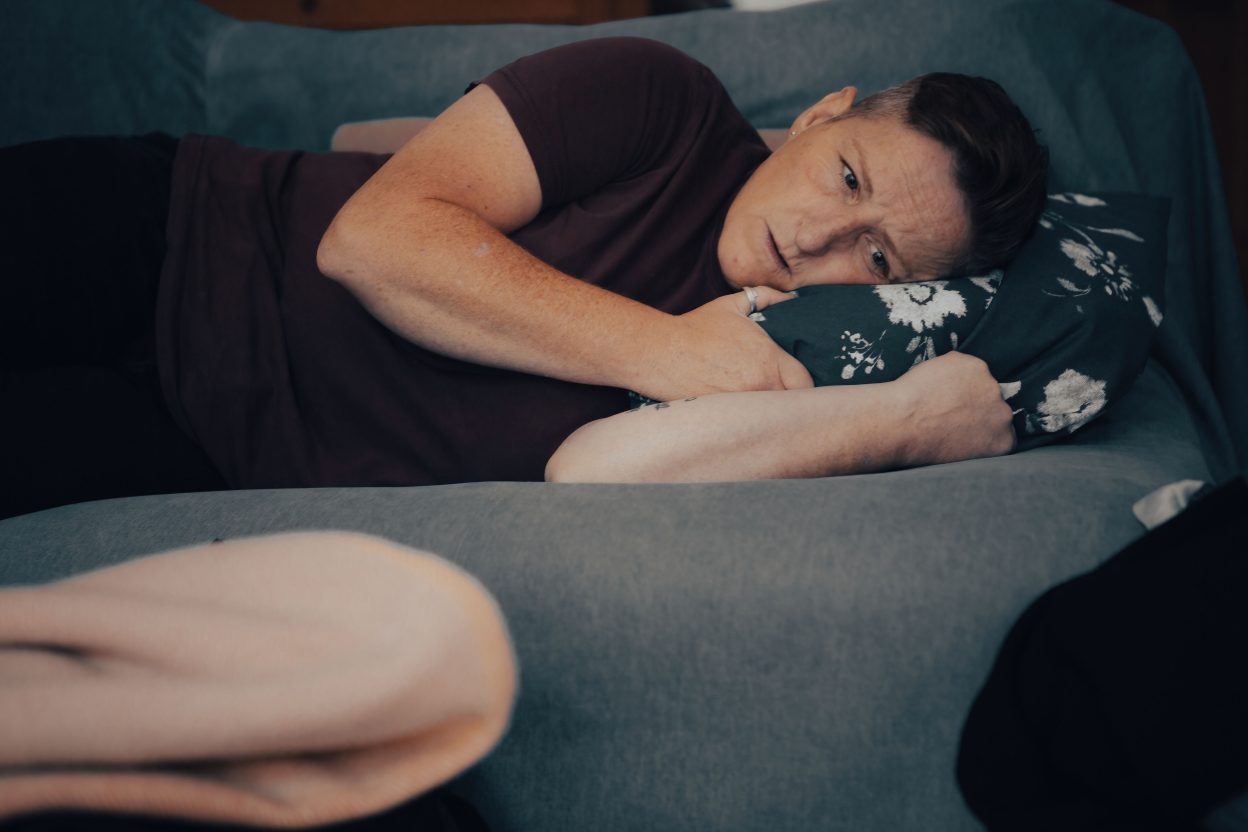
How widespread is hidden homelessness?
More than 200,000 families and individuals are believed to be experiencing hidden homelessness in Britain.**
It’s impossible to know exactly how many people are living this way in Kent. They’ve probably been missed in official street counts that the government use to calculate the scale of homelessness.
Why is it dangerous?
When you’re sleeping somewhere that’s shielded from view – like a car, shed or public toilet – it’s incredibly difficult to stay fed, clean and healthy. You may not know where you’ll sleep next or when your situation will change. It’s extremely challenging to keep a job and you become disconnected from your previous life.
One of our clients lived in their car for nine months before Porchlight stepped in. They said: “There’s nowhere to make your own food, there’s no predictability about how you’ll provide for yourself. Physically and mentally you never get a proper rest. I couldn’t sleep properly and would wake up every two hours and turn on the ignition to warm up. It was exhausting.”

The mental health impact of sofa surfing
Things aren’t much better for people who are able to stay on others’ floors and sofas. It’s common for them to feel like a burden, with the situation putting a strain on household relationships. This type of living situation tends to be unsustainable – research suggests that 40% of people move more than six times within a typical month.**
These were the experiences of a woman we worked with, who said: “Being homeless with my daughter made me feel unworthy as a mother. She should have had a roof over her head but we were moving between different friends and cheap, run-down hotels. It was stressful. We were sleeping on friends’ floors and sofas, but I was conscious of messing up their routines.”
Additional dangers for women
Hidden homelessness presents specific dangers to women, who may be forced to adopt risky strategies to keep a roof over their head, such as staying with people they barely know or who are abusive. Shockingly, two-thirds of women have faced violence or abuse while experiencing hidden homelessness.**
Women we’ve supported have shared incredibly traumatic stories about going to extreme lengths to stay off the streets. One told us: “I slept with strangers to have a roof over my head. This resulted in a hostage situation.
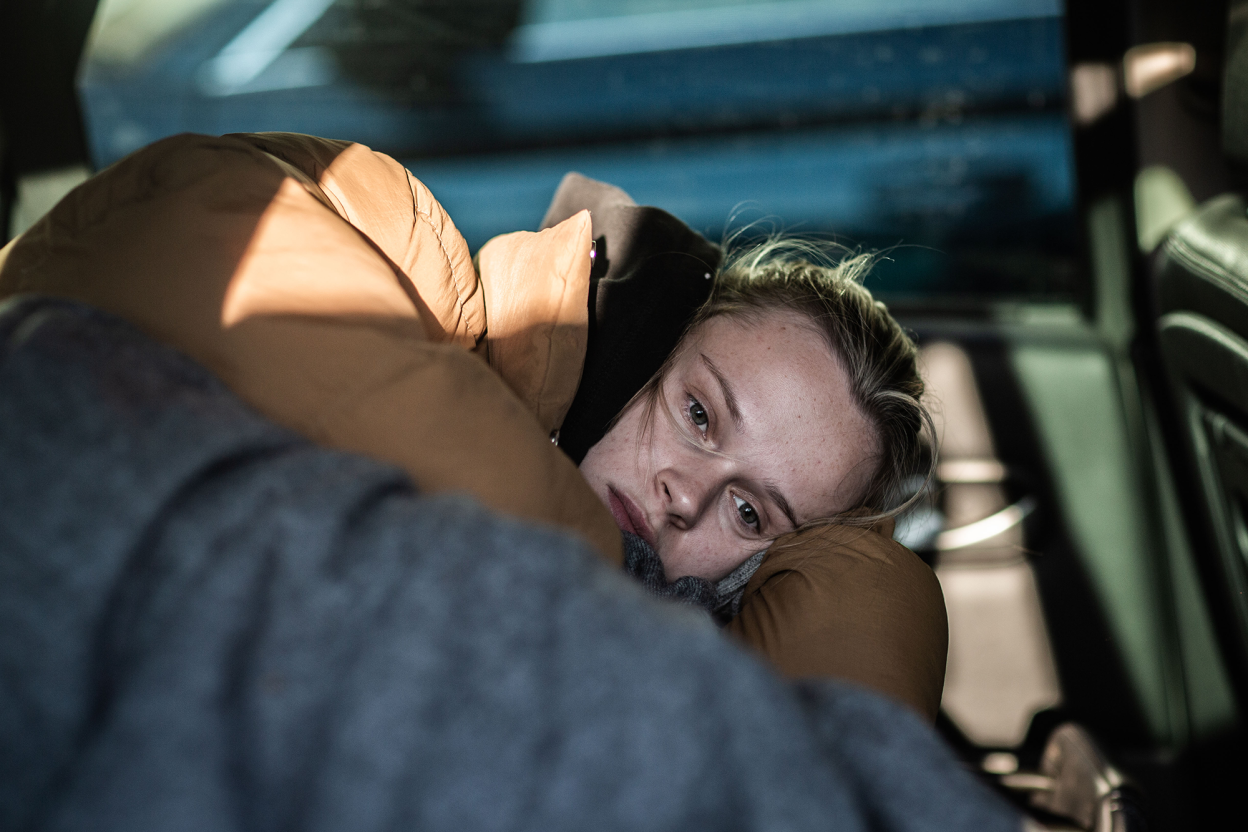
People experiencing hidden homelessness are missing chances to receive support
Hidden homelessness makes it more difficult to access some forms of support like night shelters. This is because certain services require you to be ‘verified’ as homeless by professionals who’ve worked with you. When you’re hidden from view, this isn’t something professionals are able to do.
Let’s highlight hidden homelessness
Highlighting these issues is important. It challenges assumptions about what homelessness looks like and who it affects. And most importantly, the more it’s talked about, the more people who experience it will know they can reach out for help.
*The Ministry of Housing, Communities & Local Government’s rough sleeping data framework dashboard – December 2025 (latest update)
**Research by Crisis and Heriot-Watt University
Recent News
news
“I never thought it would happen to me”: Vicki’s story
10 October, 2026
news
“You saved my life” - Sarah's story
02 September, 2026
news
Getting people off the streets is only the beginning
19 August, 2026