Understanding Hidden Homelessness
When you think about homelessness, what comes to mind?
Many people picture someone sleeping on the street.
Rough sleeping is the most visible form of homelessness, but it is only part of the picture. For many people, homelessness happens out of sight. This is known as hidden homelessness, and it affects people in lots of different situations.
Hidden homelessness can include people who are:
- Staying temporarily with friends or family
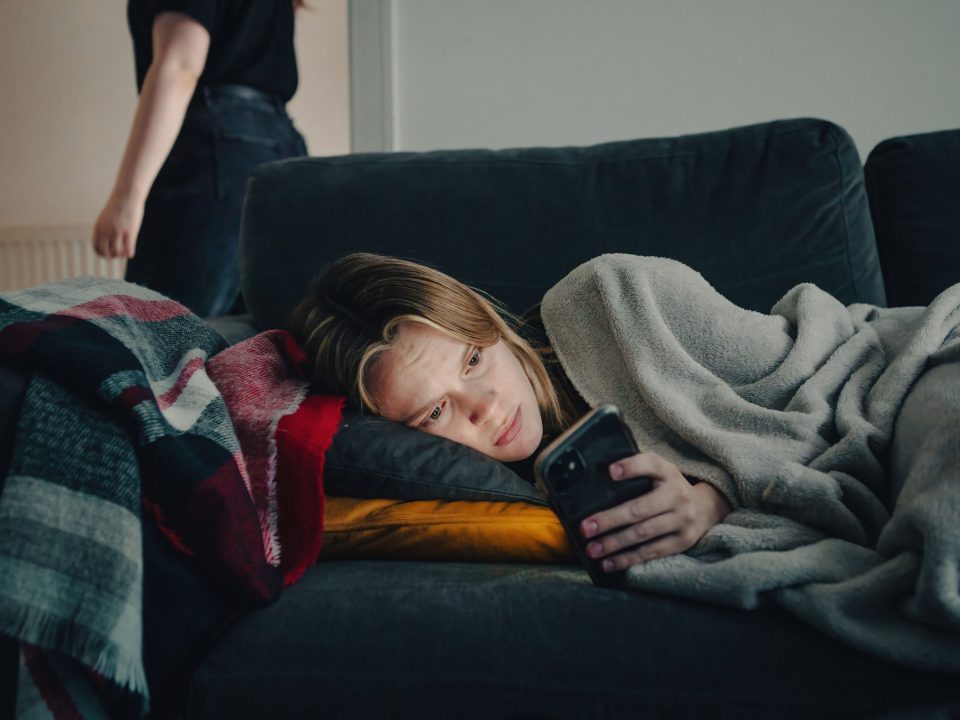
- Sleeping on sofas
- Living in overcrowded or unsafe accommodation
- Sleeping in places not meant for living, such as cars, sheds, tents or caravans
- Walking all night or sleeping on public transport to avoid being noticed
Because these situations are often out of sight, they are much harder to count and understand. Official figures do not always show the full scale of homelessness, as many people do everything they can to avoid being seen as homeless at all.
For many, hidden homelessness is a way of coping when options run out. It can feel safer or less stigmatising than sleeping on the streets. But it often comes with constant uncertainty. People may not know where they will sleep next, how long they are welcome to stay, or when their situation will change.
How hidden homelessness affects women and young people
Hidden homelessness affects people of all ages and backgrounds, but women and young people are especially likely to remain unseen.
Women experiencing homelessness often avoid sleeping rough because of the serious risks to their safety. Instead, they may stay in unstable situations, rely on short-term arrangements, or remain in overcrowded homes where they feel uncomfortable or at risk. Many women will exhaust every other option before considering the streets at night.
Young people can also become hidden when relationships break down at home. They may move between friends’ houses, stay with extended family, or sleep in places not meant for living. Without stability, it can be difficult to stay in education, keep a job, or access the right support at the right time.
In both cases, being hidden can delay help. When homelessness is not visible, people are easier to overlook and harder to reach.
Why understanding hidden homelessness matters
Homelessness is not always obvious. People experiencing hidden homelessness still face stress, poor mental health, isolation and loss of dignity. Living without a secure place to call home can make it harder to trust others and ask for help.
By understanding hidden homelessness, we can challenge assumptions about what homelessness looks like and who it affects. Greater awareness helps ensure people get support sooner, before their situation worsens.
Homelessness may be hidden, but it should never be ignored.
Recent News

news
Saving lives when temperatures drop below freezing
05 January, 2026

news
"I've got all I ever wanted": Garry's story
24 December, 2025