“People can’t believe the difference they’ve seen in me” – Kim’s story
She's gone from being targeted on the streets to thriving
When Kim was homeless and living in a dilapidated caravan, your support allowed her to survive.
By the time we met her, the 32-year-old had been homeless for almost two years. She had already endured violence and abuse while sleeping in a tent under a viaduct with just a few blankets and no way out. As winter approached and in an attempt to stay safer, Kim scraped together money from odd jobs to buy an old caravan.
“It was cramped and small but it felt safer than what I had before. But there was nowhere to wash or cook.
“I was running a generator which was always turned off at night to limit noise but someone cut the cord – leaving me with no electricity. Other times, people attempted to barge in. It was stressful.”
How Kim became homeless
Kim’s homelessness began after she left prison. Her offences were linked to drug addiction.
Like many people leaving prison, she had nowhere to go upon her release.
“It felt humiliating. I’d see people I’d known for years. I felt like there was no excuse for me to be in addiction and homeless. It was heartbreaking.
“I had no support from probation and didn’t want to stay with my mum. At that time, our relationship was strained and she was looking after my son. Given my addiction history, I felt he was safer with her.”
Kim stayed with a friend but started falling back into addiction. “I left because it didn’t feel fair on them,” she says.
After a period of staying in various households where drugs were being used, Kim wanted to get sober. That decision left her on the streets.
Kim describes the experience as heartbreaking, adding: “It felt humiliating because I’d see people I’d known for a long time. I felt like there was no excuse for me to be in addiction and homeless. It was quite hard to accept.”
“It felt humiliating because I’d see people I’d known for a long time - it was quite hard to accept
What your support meant
When you’re worrying about food, warmth and safety, everything else falls away.
“Attending appointments and filling out paperwork slip down your list of priorities when you’re worrying about where you’ll sleep that night,” Kim says. “Porchlight took the pressure off.”
We carried out regular welfare checks. Your support meant we could provide:
- healthy food
- bottled water
- toiletries and sanitary items
- warm clothes
- a mobile phone so she could stay in contact with us and other services.
We also supported her to attend healthcare appointments and apply for housing, practical steps that simply aren’t possible when you’re in constant survival mode.
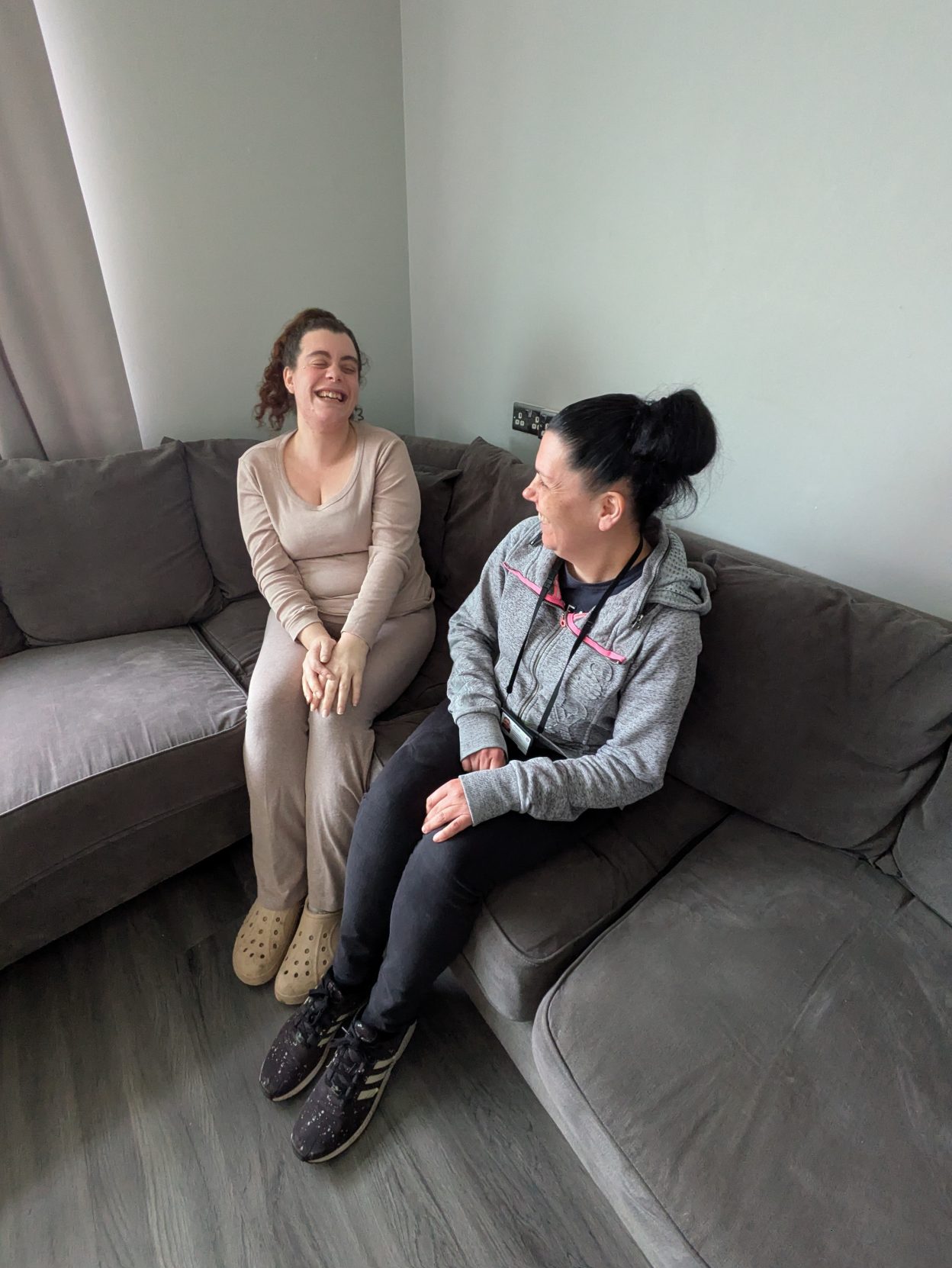
Safely inside
After working with Kim for a few months, we were able to get her into temporary accommodation. Shortly after that, she got somewhere permanent to live.
Today, Kim is sober, has reconnected with her son and mother, and is rebuilding her life.
“I’m in a much better headspace. I’m managing my mental health and am really, really happy. Having my own space has made it easier for me to stay off drugs. I feel stable for the first time in a long time.
“People have said they can’t believe the difference they’ve seen in me.”
Help someone write their new chapter
This spring, give someone living in survival mode the chance to start again.
Donate todayRecent News
news
“I never thought it would happen to me”: Vicki’s story
10 October, 2026
news
“You saved my life” - Sarah's story
02 September, 2026
news
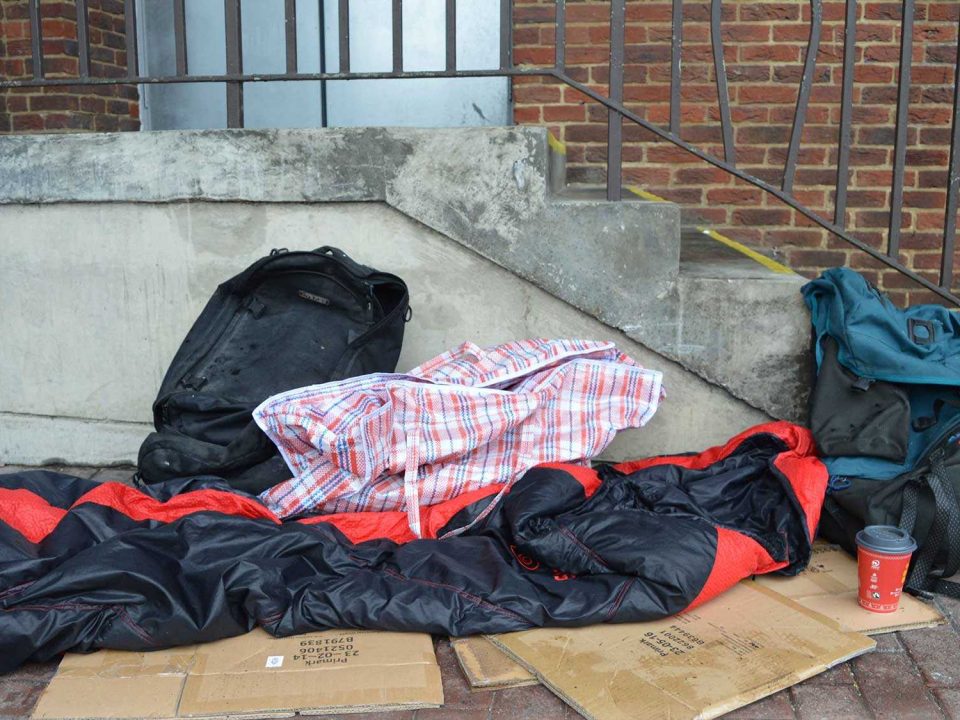
Getting people off the streets is only the beginning
19 August, 2026